


Modern demolition is about far more than bringing structures down. It’s about carefully planning every stage of the project so that concrete, brick, steel, timber and other materials can be recovered, processed and returned to the construction supply chain wherever possible, supporting the circular economy rather than becoming waste.
That doesn’t happen by accident.
Successful material recovery is the result of careful planning, experienced project management and a commitment to doing things the right way from the very start.
It all starts before demolition begins
One of the biggest misconceptions about demolition is that recycling begins once the excavators arrive on site. In reality, the foundations for successful material recovery are laid weeks before demolition starts.
Every project begins with detailed planning. Existing structures are assessed, demolition methodologies are developed, asbestos surveys are reviewed and opportunities are identified to maximise the recovery and reuse of materials while maintaining the highest standards of safety.
Before work even starts, our team is already considering:
This early collaboration with clients allows demolition and material recovery to work hand in hand, delivering environmental benefits alongside programme and commercial efficiencies.
Recovering materials, not creating waste
As demolition progresses, materials are carefully separated into individual waste streams rather than treated as one mixed waste pile. Concrete, masonry, metals, timber, plasterboard and soils all follow different routes depending on how they can best be reused or recycled. Concrete and masonry often present the greatest opportunity.
Rather than removing thousands of tonnes of hardcore from site as waste, Weaver regularly crushes suitable demolition arisings into certified recycled aggregate, typically to 6F2 or 6F5 specification.
Where possible, that material is reused on the same project or retained by the client for future construction works. Where reuse on site isn’t practical, it can be supplied to local construction projects, reducing the demand for virgin aggregates and significantly reducing transport requirements.
The result is a more efficient demolition project and a valuable resource that continues supporting the construction industry long after demolition has finished.
Recycling in practice
Every demolition project is different, but the principles remain the same: plan carefully, recover as much material as possible and maximise opportunities for reuse.
Our Passage Street project in Bristol is an excellent example of this approach in action.
Working within a constrained city-centre environment required careful planning, efficient logistics and close control of material movements throughout the demolition programme.
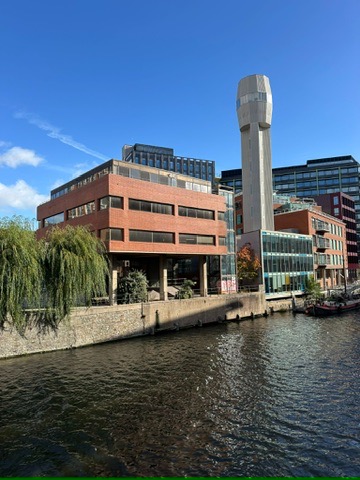
More than 3,100 tonnes of hardcore were crushed on site into 6F5 recycled aggregate before being transported to local construction projects for reuse. Rather than becoming waste, the material remained within the local construction supply chain, reducing the need for newly quarried aggregate and helping support future developments.
Alongside the recovered aggregate, the project also generated:
Where materials weren’t reused directly from site, they were transferred to licensed recycling facilities, ensuring that timber, metals, plasterboard and other recoverable materials continued through specialist recycling processes wherever possible.
Our work at Pydar Street in Truro demonstrates how demolition can create long-term value beyond the demolition phase itself.
As part of the wider regeneration of this prominent town-centre site, Weaver worked closely with the client to develop a demolition strategy that not only enabled the safe removal of the existing structures but also considered how materials could support the redevelopment that would follow.
Approximately 3,500 tonnes of hardcore were processed on site into 6F2 recycled aggregate and stockpiled for future reuse by the client.
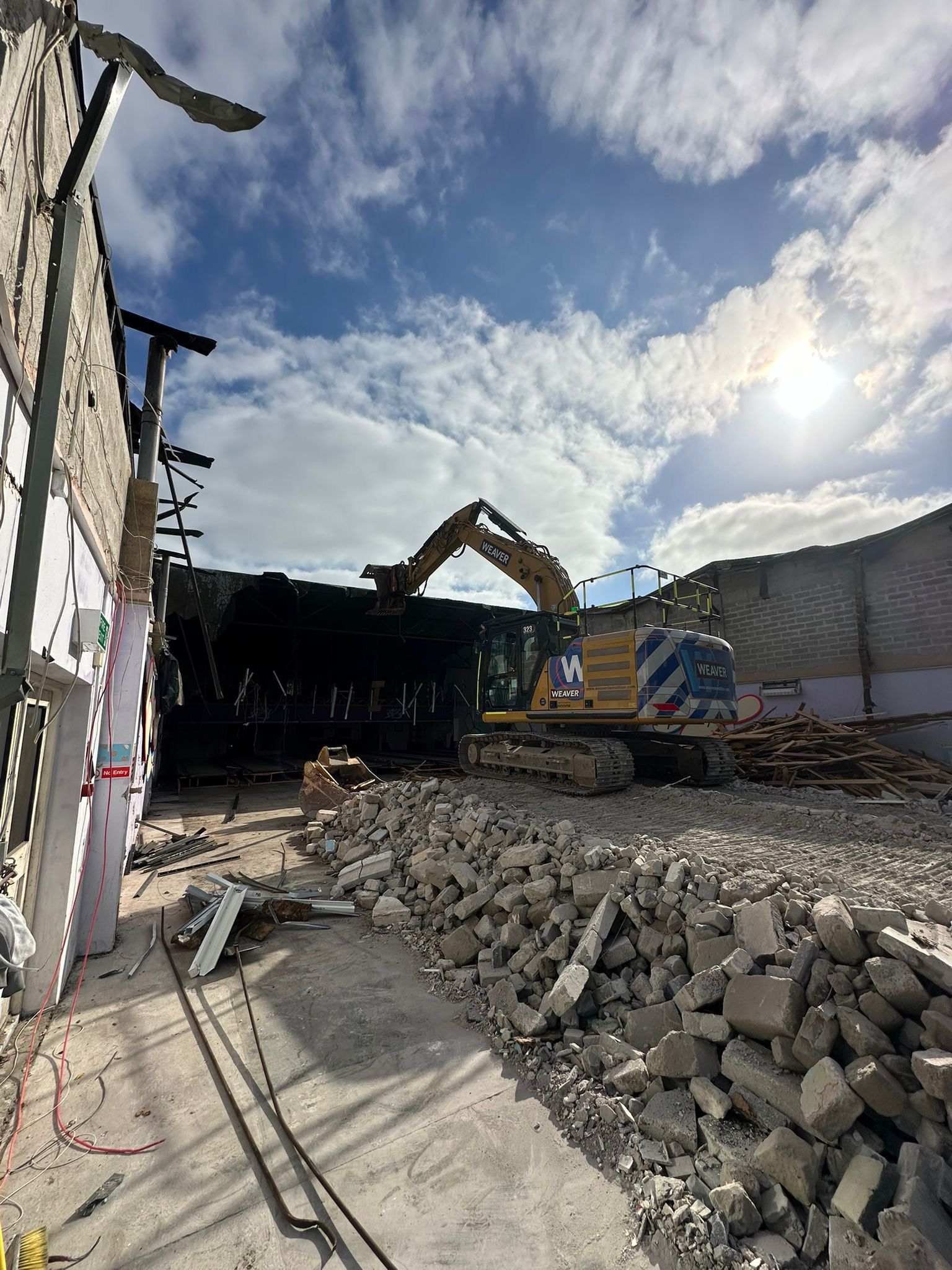
Keeping this material on site saved approximately 190 HGV movements, reducing vehicle emissions, lowering transport costs and eliminating the need to import the same quantity of aggregate during the next phase of construction.
The project also recovered:
It’s a great example of how good demolition planning doesn’t simply benefit the demolition contractor—it continues delivering environmental and commercial value throughout the redevelopment project.
Every project creates new opportunities
No two demolition projects are identical, but every project presents opportunities to recover materials more efficiently.
At Silverthorne Lane in Bristol, demolition arisings were segregated and processed on site, with recycled aggregate retained for reuse within the redevelopment. This approach eliminated approximately 3,000 HGV movements, demonstrating how material recovery can significantly reduce transport impacts while supporting programme efficiency.
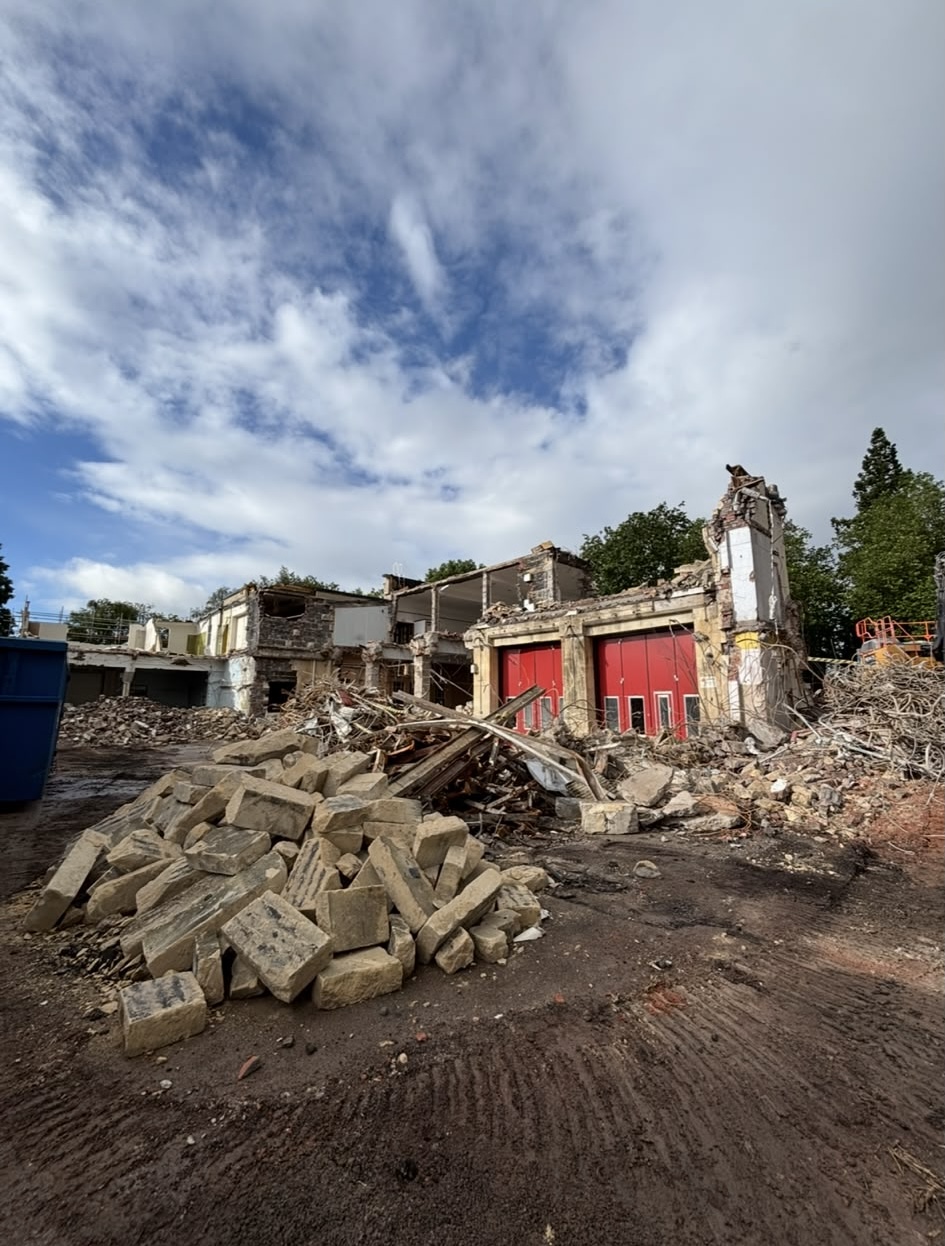
Similarly, at Bath Fire Station, suitable demolition arisings were crushed on site into recycled 6F2 aggregate for backfilling works, while original building stone was carefully salvaged for future reuse. Working alongside a live ambulance station, the project demonstrated that even on complex sites, opportunities still exist to recover valuable materials responsibly and minimise waste.
Each project is different, but the objective remains the same: recover as much value as possible from the materials already on site.
What happens once materials leave site?
Recovering materials on site is only part of the journey.
Where materials aren’t reused directly from site, they are transported to licensed recycling facilities where specialist processing ensures they continue through the circular economy wherever possible.
Typical recycling rates achieved by Weaver’s recycling and waste management partners include:
Materials that cannot be recycled, such as asbestos, are managed and disposed of safely at appropriately licensed hazardous waste facilities, ensuring full legal compliance while protecting both people and the environment.
Why it matters
Recovering materials isn’t simply about reducing waste.
For clients, it delivers tangible commercial and environmental benefits throughout a project. By recovering and reusing materials wherever possible, demolition projects can:
These outcomes don’t happen by chance. They are achieved through careful planning, experienced project management and making informed decisions at every stage of the demolition process.
Demolition with the future in mind
Today’s demolition projects are no longer measured solely by how efficiently a building is removed. Increasingly, they’re judged by how successfully materials can be recovered, reused and kept in circulation.
At Weaver Demolition, every project is approached with the same objective: deliver a safe, efficient demolition while recovering as much value from the site as possible.
Through early planning, careful material segregation, on-site crushing, responsible waste management and close collaboration with clients and recycling partners, demolition becomes more than simply clearing a site.
It becomes the first step in preparing it for whatever comes next.
